Quick Answer
Question: Why does my daughter need an autism diagnosis if she seems fine?
Answer: Girls with Level 1 autism often mask their struggles through strong language skills, making them appear 'fine' while missing social cues and struggling with transitions. The diagnosis doesn't change who she is—it gives you a map to help her thrive. Early identification and support dramatically improve outcomes because understanding herself, and being understood, changes everything.
The Moment You're In
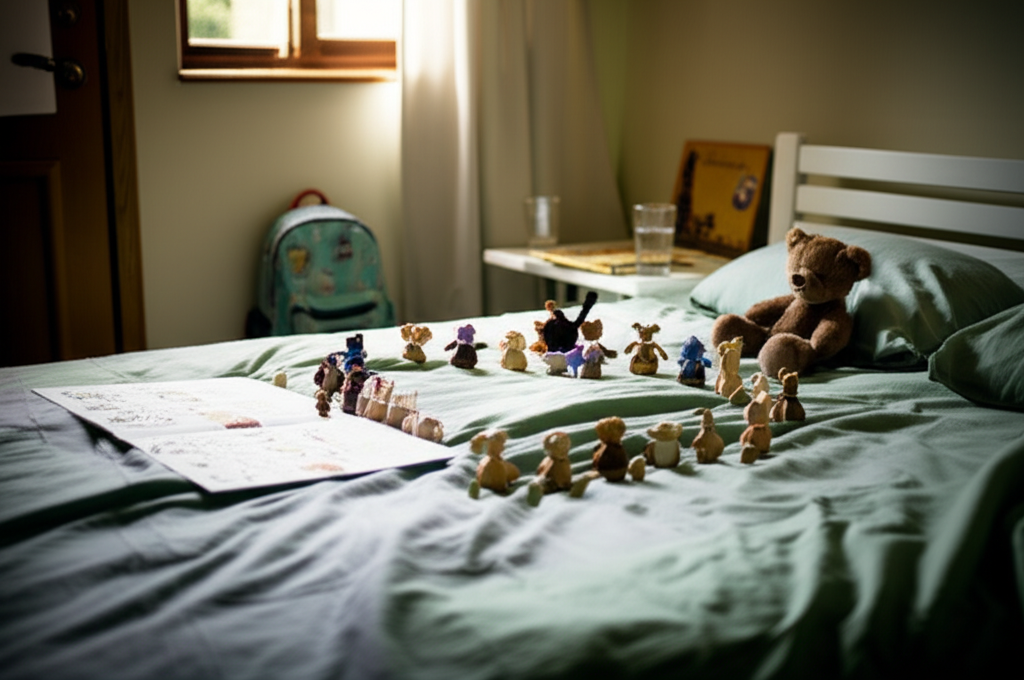
She told you a detailed story about her stuffed animals this morning. She knows all the words to her favorite songs. Her vocabulary amazes other parents at the playground.
But the teacher called. Again. Something about not reading social cues. Meltdowns when routines change. Struggling to play with other kids instead of next to them.
And now someone is saying the word "autism," and your brain can't make it fit with the child you know.
You're not in denial. You're in the disorienting space between who you thought your daughter was and who she's becoming in your understanding. That's not weakness—that's the beginning of seeing her more clearly.
Why This Happens
The "Twice Hidden" Profile
Girls with Level 1 autism and ADHD often fly under the radar longer than boys. Their strong language skills become a mask—adults assume that because she can say so much, she must understand social dynamics equally well.
But expressive language and social intuition are different brain functions. Your daughter might narrate an elaborate pretend scenario while completely missing that her playmate wants a turn. She might use sophisticated words but struggle to read a friend's frustrated face.
This isn't a contradiction. It's a profile—and it's more common than most people realize.
Why School Surfaced It
Home is predictable. You've unconsciously adapted to her needs for years—giving warnings before transitions, letting her lead play, accommodating her preferences. You're not spoiling her; you're intuitively parenting to her neurotype.
But kindergarten readiness assessments and group classroom dynamics don't adapt. Suddenly she's expected to shift attention on command, navigate unstructured peer play, and regulate emotions in an overwhelming sensory environment—all while sitting still.
The struggles the teacher sees aren't new behaviors. They're existing differences that home naturally accommodated and school naturally exposes.
The Grief Is Real
You might be mourning a future you'd imagined: easy friendships, birthday party invitations, a daughter who fits effortlessly into the social world of girlhood.
That grief is legitimate. It doesn't mean you love your daughter less or that you see her as broken. It means you're human, processing a significant shift in expectations.
But here's what parents a few years ahead of you want you to know: the daughter you love is the same daughter she was before the evaluation. The diagnosis doesn't change her—it gives you a map to help her thrive as exactly who she is.
What Actually Helps
1. Learn Her Specific Profile (Not Generic "Autism")
Level 1 autism with ADHD in a verbally advanced girl looks nothing like the autism stereotypes you might have in your head. Seek out resources specifically about:
- Autism in girls and masking
- The ADHD-autism overlap (they amplify each other)
- Twice-exceptional profiles (gifted + neurodivergent)
The more precisely you understand her brain, the less you'll waste energy on strategies designed for a different child.
2. Consider School Readiness Holistically
The "should we delay kindergarten?" question isn't really about age—it's about fit. Consider:
Factors favoring a wait:
- She's already struggling with peer dynamics in a smaller setting
- Emotional regulation falls apart in group situations
- She needs more time to build foundational social skills with support
- The extra year allows OT and social skills work to take hold
Factors favoring starting on time:
- She's cognitively ready and might be bored repeating content
- The school has strong support systems already in place
- Delaying might increase anxiety about being "behind"
- Her same-age friendships (if any) would continue together
There's no universal right answer. The right question is: What does she need to feel successful, not just survive?
3. Build Her Social Skills Explicitly
Neurotypical girls often absorb social rules through observation. Your daughter may need them taught directly—not because she's less capable, but because her brain processes social information differently.
This might look like:
- Practicing specific phrases for joining play
- Role-playing common peer scenarios
- Watching shows together and narrating characters' feelings
- Arranging structured one-on-one playdates (easier than group dynamics)
She can learn these skills. She just needs the instruction manual that other kids seem to come pre-loaded with.
4. Protect Her Self-Concept Now
She's already noticing she's different. The question isn't whether she'll know—it's whether she'll understand that different doesn't mean less.
Start building her identity as someone whose brain works in a unique and valuable way. Find books with autistic girl characters. Talk about her strengths with the same specificity as her challenges. Let her hear you describe her differences neutrally, not as problems to fix.
The narrative she builds about herself now will shape everything.
Frequently Asked Questions
Why is autism harder to detect in girls?
Girls with autism often develop strong verbal skills that mask their social struggles. Adults assume that because she can express herself well, she must understand social dynamics equally well—but expressive language and social intuition are different brain functions. Girls also tend to observe and imitate social behaviors, hiding their differences until demands exceed their coping abilities.
Should I delay kindergarten for my autistic daughter?
There's no universal right answer—it depends on her specific needs. Consider waiting if she's already struggling with peer dynamics and emotional regulation in groups. Consider starting on time if she's cognitively ready, the school has strong support systems, or delaying might increase her anxiety. Ask: what does she need to feel successful, not just survive?
How do I teach social skills to my autistic daughter?
Unlike neurotypical girls who absorb social rules through observation, autistic girls often need explicit instruction. Practice specific phrases for joining play, role-play common peer scenarios, watch shows together while narrating characters' feelings, and arrange structured one-on-one playdates rather than overwhelming group settings.
The Bigger Picture
Here's what the research shows and what countless parents of autistic girls confirm: early identification and support dramatically improve outcomes. Not because autism is something to cure, but because understanding yourself—and being understood—changes everything.
Your daughter has advanced language. That's a genuine strength that will serve her. She's getting OT and speech support now, at four, instead of struggling unidentified until middle school like so many girls before her. She has parents who noticed, who listened to the teacher, who are asking the right questions.
The trajectory you're on isn't the one you expected. But it might be exactly the one that leads to a daughter who understands her own brain, advocates for her needs, and builds a life that fits who she actually is—not who she was pretending to be.
That's not a lesser future. That's a more authentic one.
If you're navigating this right now, you don't have to figure it out alone. AriaStar is here 24/7—no judgment, just support from someone who gets it.
Want more support? Explore our blog or talk to AriaStar.