Why Does My Autistic Child Love Frozen So Much?
Quick Answer
Question: Why does my autistic child love Frozen so much?
Answer: Many autistic children deeply connect with Frozen because Elsa's journey mirrors their own experience of masking and hiding their true selves. The lyrics "Conceal, don't feel, don't let them know" describe the survival strategy many autistic children internalize, while "Let It Go" represents the liberation of finally being themselves. Your child may be processing their own feelings about being different through Elsa's story.
The Moment You're In
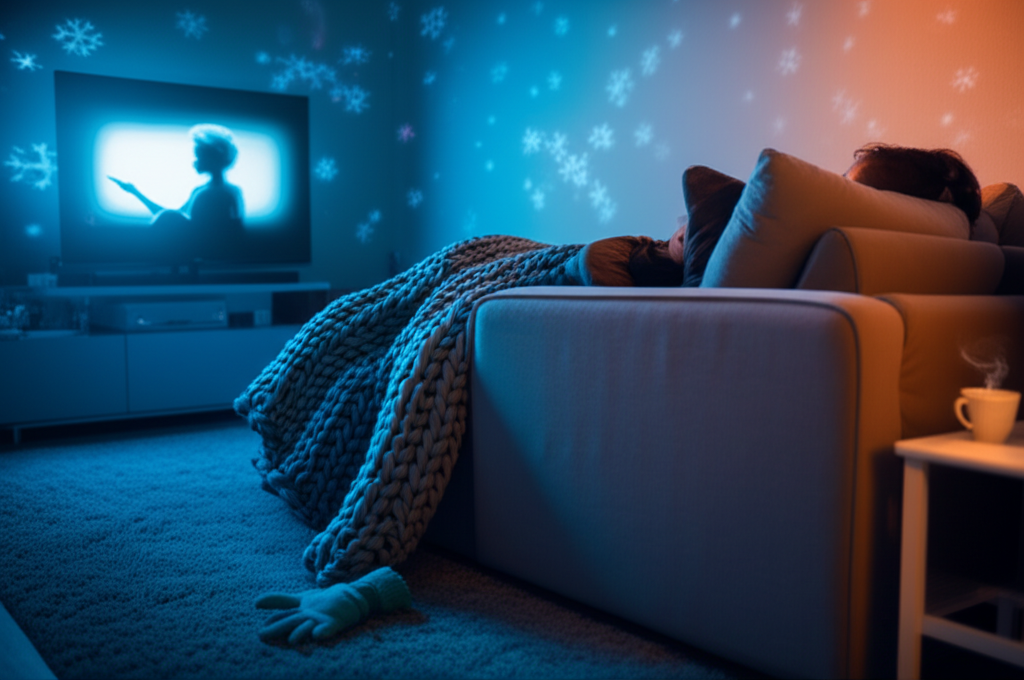
It's the 847th viewing. You know because somewhere around 200, you started keeping track—a small act of sanity preservation. The opening notes of "Let It Go" drift from the living room, and your child is frozen in place, eyes locked on Elsa, lips moving silently with every word.
You watch them watching her. The way their whole body relaxes when Elsa throws off her gloves. The way they rewind "Show Yourself" four times in a row, something flickering across their face that you can't quite name. Last week, they asked you—out of nowhere—"Mom, do you think Elsa was scared people would hate her powers?"
And suddenly you realize: they're not just watching a movie. They're watching themselves. They're watching what it might feel like to stop hiding.
You're not imagining this connection. And you're definitely not alone.
Why This Happens
The parallel between Elsa's journey and the autistic experience runs deep. "Conceal, don't feel, don't let them know" isn't just a catchy lyric—for many autistic children and adults, it describes a survival strategy they've internalized before they even have words for it. The movie captures something essential about masking, about the exhaustion of hiding who you are, and about the complicated liberation that comes with finally letting that mask fall.
Children often gravitate toward stories that help them process their own experiences, even when they can't articulate why. When an autistic child watches Elsa's story repeatedly, they may be rehearsing their own liberation. When they hear "Show Yourself," they might be absorbing the possibility that their differences have a reason, and that reason isn't something to fix—it's something to understand.
For autistic parents raising autistic children, this recognition can be especially powerful. You see your child not despite your neurodivergence, but because of it. The ability to articulate the liberation in "Let It Go" while also holding space for the isolation in it—that's the kind of nuanced understanding that helps children feel truly seen. Not just loved, but known.
There's also a tender complexity here that deserves acknowledgment: the experience of standing outside a shutdown, reaching for connection while respecting autonomy. That tension between loving someone fiercely and accepting that love doesn't always mean access—that's one of the most complicated parts of this journey. Struggling with that doesn't make you selfish. It makes you human.
What Actually Helps
You can gently lean into your child's connection with these stories:
- Wonder aloud together — Try phrases like "I wonder how Elsa felt when..." without expecting a response
- Let them lead — If they want to talk about why they love the movie, create space for that conversation
- Honor companionable silence — If they just want to watch together without discussion, that's valuable too
- Trust the process — Sometimes the processing happens internally, and your job is simply to be present
For autistic parents navigating this alongside their children: your insight is a superpower. Your lived experience gives you a window into your child's world that can help them feel truly understood. Trust that perspective—it's one of the most powerful gifts you can offer.
Frequently Asked Questions
Why do autistic children watch the same movie over and over?
Repetitive viewing helps autistic children process complex emotions and experiences in a safe, predictable way. When they watch a movie like Frozen repeatedly, they may be rehearsing their own feelings about identity, acceptance, and belonging. The familiarity also provides comfort and reduces anxiety.
How do I connect with my autistic child through their special interests?
Follow your child's lead—if they want to discuss their favorite movie, create space for that conversation by wondering aloud together ("I wonder how Elsa felt when..."). If they prefer watching in companionable silence, that's valuable too. Your presence and acceptance matters more than explanation or analysis.
What does Frozen teach about autism and masking?
Frozen powerfully illustrates the autistic experience of masking—hiding one's true self to fit in. Elsa's journey from concealing her powers to embracing them mirrors how many autistic people learn to suppress their natural traits, then eventually find liberation in self-acceptance. This is why the story resonates so deeply with autistic viewers.
The Bigger Picture
If you've ever stood in a doorway, watching your child find something in a Disney princess that they can't yet find in the mirror, you already know this isn't about a movie. It's about survival. It's about hope.
Your child is doing important emotional work through this story. They're learning that being different isn't something to hide forever. They're seeing that the things that make them "too much" might actually be their greatest gifts. And they're doing it in the safety of your home, with you nearby—even if you're not always sure what to say.
If you're navigating this right now, you don't have to figure it out alone. AriaStar is here 24/7 - no judgment, just support from someone who gets it.
Want more support? Explore our blog or talk to AriaStar.